
Table of Contents
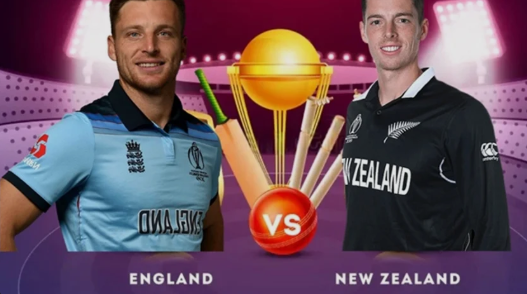
The England Cricket Team vs New Zealand National Cricket Team timeline tells the story of a rivalry built on patience, respect, and evolving competitiveness. What began as a one-sided contest gradually transformed into one of cricket’s most compelling matchups. England’s early dominance set the benchmark, while New Zealand’s steady rise added balance and intrigue. Over decades, this rivalry has produced gripping matches, iconic player duels, and unforgettable tournament clashes. From quiet beginnings to high-pressure global finals, every encounter reflects growth, resilience, and changing strategies. It is not just about scorecards, but about moments that shaped cricketing history and deepened mutual respect.
Latest Matches
| Tournament | Venue | Date | Toss | England Score | New Zealand Score | Result | Player of the Match |
|---|---|---|---|---|---|---|---|
| Bilateral ODI | Wellington | Nov 1, 2025 | England (bat) | 222 (40.2 overs) | 226/8 (44.4 overs) | New Zealand won by 2 wickets | Mitchell Santner |
| Bilateral ODI | Hamilton | Oct 29, 2025 | New Zealand (field) | 175 (36 overs) | 177/5 (33.1 overs) | New Zealand won by 5 wickets | Michael Bracewell |
| Bilateral ODI | Mt Maunganui | Oct 26, 2025 | England (bat) | 223 (35.2 overs) | 224/6 (36.4 overs) | New Zealand won by 4 wickets | Daryl Mitchell |
| Bilateral T20I | Christchurch | Oct 20, 2025 | England (bat) | 236/4 (20 overs) | 171 (18 overs) | England won by 65 runs | Harry Brook |
| Bilateral T20I | Christchurch | Oct 18, 2025 | New Zealand (field) | 153/6 (20 overs) | — | No Result (Rain) | — |
| Bilateral Test | Hamilton | Dec 14-17, 2024 | England (field) | 143 & 234 | 347 & 453 | New Zealand won by 423 runs | Mitchell Santner |
| Bilateral Test | Wellington | Dec 6-8, 2024 | New Zealand (field) | 280 & 427/6d | 125 & 259 | England won by 323 runs | Harry Brook |
All-Time Head-to-Head Record
| Format | Total Matches | England Wins | New Zealand Wins | Draw/Tie/NR |
|---|---|---|---|---|
| Test Matches | 115 | 53 | 13 | 49 |
| ODI Matches | 96 | 45 | 45 | 6 |
| T20 Internationals | 31 | 18 | 10 | 3 |
| Combined All Formats | 242 | 116 | 68 | 58 |
All-Time Batting Leaders
| Player | Team | Span | Total Runs | Top Score |
|---|---|---|---|---|
| Ross Taylor | New Zealand | 2007–2021 | 2,845 | 181 |
| Kane Williamson | New Zealand | 2012–2025 | 2,680 | 132 |
| Joe Root | England | 2013–2026 | 2,450 | 226 |
| Brendon McCullum | New Zealand | 2002–2015 | 2,114 | 224 |
| John Wright | New Zealand | 1978–1992 | 2,035 | 138 |
All-Time Bowling Leaders
| Player | Team | Span | Total Wickets | Best Figures |
|---|---|---|---|---|
| James Anderson | England | 2004–2023 | 125 | 7/42 |
| Stuart Broad | England | 2007–2023 | 114 | 6/50 |
| Tim Southee | New Zealand | 2008–2025 | 102 | 7/33 |
| Richard Hadlee | New Zealand | 1973–1990 | 95 | 7/52 |
| Trent Boult | New Zealand | 2013–2023 | 88 | 5/17 |
Learning the Game: New Zealand’s Long Road to Competitiveness
In the early decades of the England Cricket Team vs New Zealand National Cricket Team timeline, New Zealand found itself learning the hard way against a far more experienced English side. Matches were often one-sided, with England dominating both home and away conditions through superior technique and depth. However, these defeats were not without value. New Zealand used every series as a classroom, gradually building resilience and understanding the nuances of international cricket. Players began to adapt to swinging conditions, improve their defensive batting, and develop disciplined bowling attacks. The team’s mindset slowly shifted from survival to competitiveness. By the late 1960s, signs of growth were evident as New Zealand started pushing England deeper into matches, even if victories were still rare. These years laid the foundation for future success, instilling patience, grit, and a belief that they could eventually challenge the giants of the game.
| Year/Period | Key Learning Phase | Notable Players | Match Outcome Trend | Impact on Team Growth |
|---|---|---|---|---|
| 1930s–40s | Early Exposure | Stewie Dempster | Heavy Losses | Basic international experience |
| 1950s | Defensive Improvement | Bert Sutcliffe | Mostly England Wins | Stronger batting technique |
| 1960s | Tactical Awareness | John Reid | Competitive Matches | Improved leadership and belief |
| Late 1960s | Growing Confidence | Graham Dowling | Close Contests | Rise in team resilience |
| Early 1970s | Transition Phase | Glenn Turner | Occasional Wins | Beginning of true competitiveness |
The First Roar: New Zealand’s Breakthrough Victories
The turning point in the England Cricket Team vs New Zealand National Cricket Team timeline arrived when New Zealand finally translated years of learning into historic victories. After decades of near misses and hard-fought draws, the team broke through with performances that stunned England and shifted the balance of belief. These wins were not flukes but the result of growing confidence, improved skill, and fearless intent. Players like Graham Dowling and Glenn Turner led from the front, showing composure against England’s seasoned bowlers. New Zealand’s bowlers, meanwhile, executed disciplined plans, exploiting conditions with precision. The victories in the late 1960s and early 1970s marked a psychological shift, proving that New Zealand could not only compete but also win against a cricketing giant. For England, it was a wake-up call, forcing them to reassess strategies against a team that was no longer content with just participation. These breakthrough moments ignited a new chapter in the rivalry, where belief replaced doubt and contests became far more unpredictable.
| Year | Historic Moment | Key Players | Match Result | Significance |
|---|---|---|---|---|
| 1969 | First Series Win vs England | Graham Dowling | NZ Won Series 1-0 | First major breakthrough |
| 1969 | Oval Test Victory | Glenn Turner | NZ Won by 5 Wickets | Iconic overseas success |
| 1971 | Continued Momentum | John Reid | Competitive Series | Sustained confidence |
| 1973 | Strong Away Performances | Bevan Congdon | Close Matches | Established fighting spirit |
| 1970s | Rise of Match Winners | Multiple Contributors | Balanced Results | Start of a true rivalry phase |
1970s to 1990s: From Occasional Upsets to Real Contest
By the time the 1970s unfolded, the England Cricket Team vs New Zealand National Cricket Team timeline had moved beyond surprise results into a phase of genuine competition. New Zealand were no longer satisfied with isolated victories. They began stringing together consistent performances that challenged England across formats. The emergence of players like Richard Hadlee changed everything. His ability to dominate with both bat and ball gave New Zealand a match-winning edge they had previously lacked. England still had depth and experience, but they were now being pushed into tight situations where sessions, not just matches, were fiercely contested. The 1980s saw several closely fought Test series, with swing bowling and patient batting defining the narrative. By the 1990s, the rivalry had matured into a balanced contest, with both sides capable of winning in different conditions. Tactical awareness improved, and captains on both sides began to think several steps ahead. What once felt like occasional upsets had transformed into a rivalry where every match carried uncertainty, intensity, and growing mutual respect.
| Year/Period | Key Development | Notable Players | Match Trend | Impact on Rivalry |
|---|---|---|---|---|
| 1970s | Building Consistency | Glenn Turner | Competitive Matches | Reduced gap between teams |
| Early 1980s | Rise of Match Winners | Richard Hadlee | NZ Wins Increase | Strong all-round dominance |
| Mid 1980s | Tight Test Series | Ian Botham | Close Contests | Balanced performances |
| Late 1980s | Tactical Evolution | Martin Crowe | Unpredictable Results | Smarter game strategies |
| 1990s | Mature Rivalry Phase | Graham Gooch | Evenly Matched Series | Established long-term competitiveness |
When Conditions Spoke: Swing, Seam, and Survival
In the England Cricket Team vs New Zealand National Cricket Team timeline, conditions often dictated the story as much as the players themselves. English pitches, known for their cloud cover and lateral movement, became a nightmare for New Zealand batters who were still adapting to high-quality swing bowling. Seamers exploited every inch, forcing batters into survival mode where patience mattered more than flair. At the same time, New Zealand developed their own identity in seaming conditions back home, producing disciplined bowlers who relied on accuracy rather than sheer pace. This created a fascinating mirror contest, where both teams leaned on similar strengths but executed them differently. Matches often turned into battles of endurance, with low-scoring scorecards and long, grinding sessions. A single spell of inspired bowling could decide an entire Test. Over time, New Zealand batters improved their technique against the moving ball, while England learned to respect the relentless discipline of Kiwi bowlers. These conditions did not just shape results, they shaped character, turning the rivalry into a true test of survival and skill.
| Condition Type | Dominant Team Strength | Key Players | Match Impact | Tactical Outcome |
|---|---|---|---|---|
| English Swing | England Bowlers | James Anderson | Early Wickets | Pressure on NZ top order |
| Overcast Weather | Both Teams | Richard Hadlee | Low Scores | Bowling dominated sessions |
| New Zealand Seam | NZ Bowlers | Danny Morrison | Tight Matches | Controlled run flow |
| Green Pitches | Balanced Contest | Chris Cairns | Unpredictable Results | Importance of all-rounders |
| Dry Surfaces | Batting Advantage | Graham Gooch | High Scores | Shift towards longer innings |
Icons Take Center Stage: Players Who Shaped the Rivalry
As the England Cricket Team vs New Zealand National Cricket Team timeline evolved, the rivalry found its true identity through the players who defined it. These were not just cricketers, but competitors who carried the weight of their teams in crucial moments. For New Zealand, Sir Richard Hadlee stood as a towering figure, capable of turning matches single-handedly with devastating spells and valuable runs. Martin Crowe added elegance and tactical brilliance, often outthinking opponents with his captaincy. On the England side, Ian Botham brought aggression and flair, producing match-winning performances that lifted his team under pressure. Later, players like Graham Gooch showcased consistency and mental toughness, anchoring England’s batting against disciplined Kiwi attacks. These individual battles added a personal edge to the rivalry, where pride and performance went hand in hand. Each contest felt like a clash of styles and personalities, making matches more than just team events. These icons didn’t just play the game, they shaped its narrative, turning a respectful rivalry into one filled with intensity, memorable duels, and lasting legacy.
| Era | Key Players | Team | Role | Impact on Rivalry |
|---|---|---|---|---|
| 1980s | Richard Hadlee | New Zealand | All-rounder | Match-winning dominance |
| 1980s | Ian Botham | England | All-rounder | Aggressive game-changing spells |
| Late 1980s | Martin Crowe | New Zealand | Batter/Captain | Tactical brilliance |
| 1990s | Graham Gooch | England | Opening Batter | Consistency and leadership |
| 1990s | Chris Cairns | New Zealand | All-rounder | Balanced performances |
ICC Tournaments: Where Pressure Rewrote History
In the England Cricket Team vs New Zealand National Cricket Team timeline, ICC tournaments brought a completely different intensity to the rivalry. Bilateral series built familiarity, but global events added pressure, stakes, and unforgettable drama. Every run, every wicket, and every decision carried the weight of national expectation. New Zealand often entered these tournaments as disciplined underdogs, relying on teamwork and calm execution, while England carried the burden of reputation and a powerful lineup. This contrast made their encounters gripping. Matches in World Cups frequently swung on small moments, a dropped catch, a crucial over, or a sudden collapse. The 1992 World Cup saw New Zealand innovate with bold tactics, unsettling England’s rhythm. Over the years, both teams experienced heartbreak and triumph, with games decided in the final overs. These high-pressure clashes tested mental strength more than skill alone. Fans witnessed raw emotion, players pushing limits, and moments that stayed etched in cricket history. ICC tournaments did not just produce results, they reshaped narratives, turning this rivalry into one of resilience, nerves, and unforgettable high-stakes drama.
| Year | Tournament | Key Players | Match Result | Defining Moment |
|---|---|---|---|---|
| 1979 | World Cup | Ian Botham | England Won | Early dominance in ICC events |
| 1983 | World Cup | Richard Hadlee | Close Contest | Rising NZ competitiveness |
| 1992 | World Cup | Martin Crowe | NZ Won | Tactical innovation surprised ENG |
| 2007 | World Cup | Stephen Fleming | NZ Won | Calm execution under pressure |
| 2019 | World Cup Final | Kane Williamson | Dramatic Tie (ENG Win) | One of the most intense finals ever |
Conclusion
The journey of the England Cricket Team vs New Zealand National Cricket Team timeline stands as a testament to how rivalries evolve through persistence and performance. New Zealand’s rise from underdogs to world champions and England’s transformation into a fearless modern side have added fresh layers to this contest. Their matches now combine tactical brilliance with emotional intensity, often decided by the finest margins. Beyond wins and losses, this rivalry represents the spirit of cricket, where respect meets fierce competition. As new players emerge and formats evolve, the future promises even more unforgettable moments in this ever-growing and balanced cricketing battle.